As the beliefs we have influence the experiences we face, what we believe seems very important. What we think about the issues we face influences how we spend our time on this earth. While I don’t believe for a second in the absolutism of ‘you attract what you are’ because it is partly blaming the victims of abuse for their experiences, we should not deny the impact of our beliefs on our experiences.

Even if one is intellectually persuaded that consuming meat is morally acceptable, no one wants to be swayed by a feeble argument, right? So, what are some weak arguments? Let’s see.
“If you can get drunk, get into an accident and then be responsible for the decision to drive, why can’t you be held responsible for agreeing to have sex while drunk? Why is it rape?” Well, let us just THINK about this argument
If you are like me and ask yourself the Big Questions fairly frequently, you probably ask yourself perhaps the biggest question of them all: Is there a God?
In this post, we will examine “Atheism” and propose a definition that enables people to identify as atheists while remaining consistent with the broader landscape of the philosophy of religion.
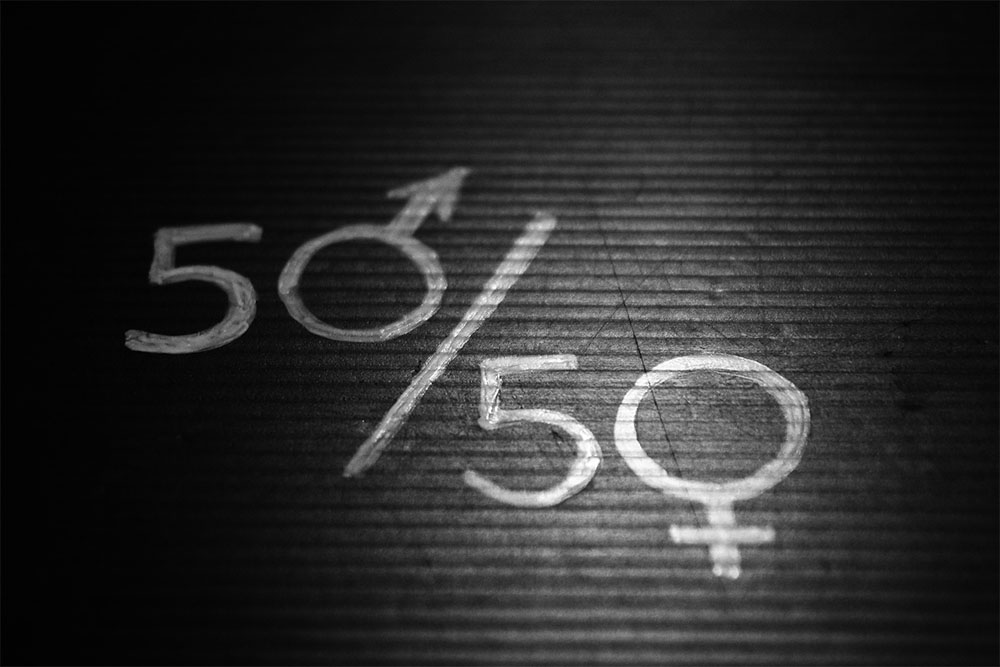
When racists or sexists make their posts and comments, they often argue that equality is a lie, humans are not equal and therefore we cannot have the same opportunities – in this argument, they are often either deliberately or not the confusing type of equality found in mathematics with the type of equality society should strive for.
The problem with the argument is that theists can easily get out of it. They can simply claim that omnipotence does not mean a being can do EVERYTHING. Omnipotence means that a being can do anything logically possible.